Disclaimer: This post contains affiliate links; I may earn a commission if you click and buy, at no extra cost to you.
Introduction
With the rise of AI and data centers taking over, it is now more important than ever to produce your own creative ideas in your writing. By the end of this blog post, you will have a better understanding of the negative side effects of using AI and what you should do instead.
How AI Effects Learning
Creative Writing is shaped by divergent thinkers, which molds a culture and reveals the joys and concerns of the modern world. As AI technologies rise, the significance of the writer comes into question.
Creative Thinkers Leave the Classroom
Ultimately, AI will greatly affect how individuals think and practice divergent thinking. According to Dr. Kalyan R. Kadam’s article “Future of Creative Writings in the Age of AI,” the rise of AI will affect the very process used to help people study, learn, and produce thoughts.
To reveal this truth, Dr. Kadam investigated the role of learning and how we think.
The Damage AI Does to Students
Firstly, Dr. Kadam went back to the very basics of education; before considering how AI will affect literature, he reflects on the change in the way people learn in a classroom.
- As mentioned in the article, for centuries, the relationship between teacher and student has been fundamental to learning and the passing down of knowledge.
- People need to be physically a part of the learning process, able to ask questions and perform experiments in order to fully grasp a newly introduced concept.
The article states this saying,
“With the arrival of Artificial Intelligence in this holy field, the relations, or we can say bonding between teacher & student is weakened.”
The Result
As AI grows, fewer teachers will be needed and employed. Online teaching and courses are already growing in popularity for their convenience.
However, the drawback comes down to the interpersonal connection it removes.
- Students will not only lose the chance for human interaction but also the motivation to fully comprehend a subject on their own.
- Learning and studying is a skill that actually have to be taught. In the future, as we see already, the lack of having a true understanding of how you take in new information and decode it so you can remember it, understand it, and think about it critically will lead to students who aren’t learning.
- Additionally, an AI teacher will not be able to correctly grade a student’s learning evaluation.
- Instead of taking an accurate calculation of whether the student comprehended the lesson, they will judge solely on the accuracy of their own recorded answers.
- Students will not be graded reasonably, and their level of understanding will therefore become meaningless.
- If they are tested on accuracy and not comprehension, AI will induce the new study habit of memorization and regurgitation over true comprehension and critical thinking skills, leading to the “variety of understanding levels will be totally neglected.”
Conclusion of AI Use in the Classroom
In conclusion, if people don’t know how to learn, they will lose the ability to think for themselves and form opinions about the world to come up with creative solutions.
Check out the blog post below for ways to improve your creativity!
AI in the Classroom Effects on Creative Writers
Naturally, creative writers are greatly affected by this shift in student-to-teacher relationships.
“Creative literature is the mirror of the society.”
Meaning, they show readers the truth of what beliefs, systems, and people make up their culture.
Therefore, literature is essential for humanity because it
“leads the society towards a bright future, exposing misguiding evil practices, traditions, and meaningless beliefs.”
Analysis
Without creative writing, there wouldn’t be a collective identity within groups. Literature can be folktales, myths, and legends. Each fictional story set in a real place helps shape its perception and celebratory qualities.
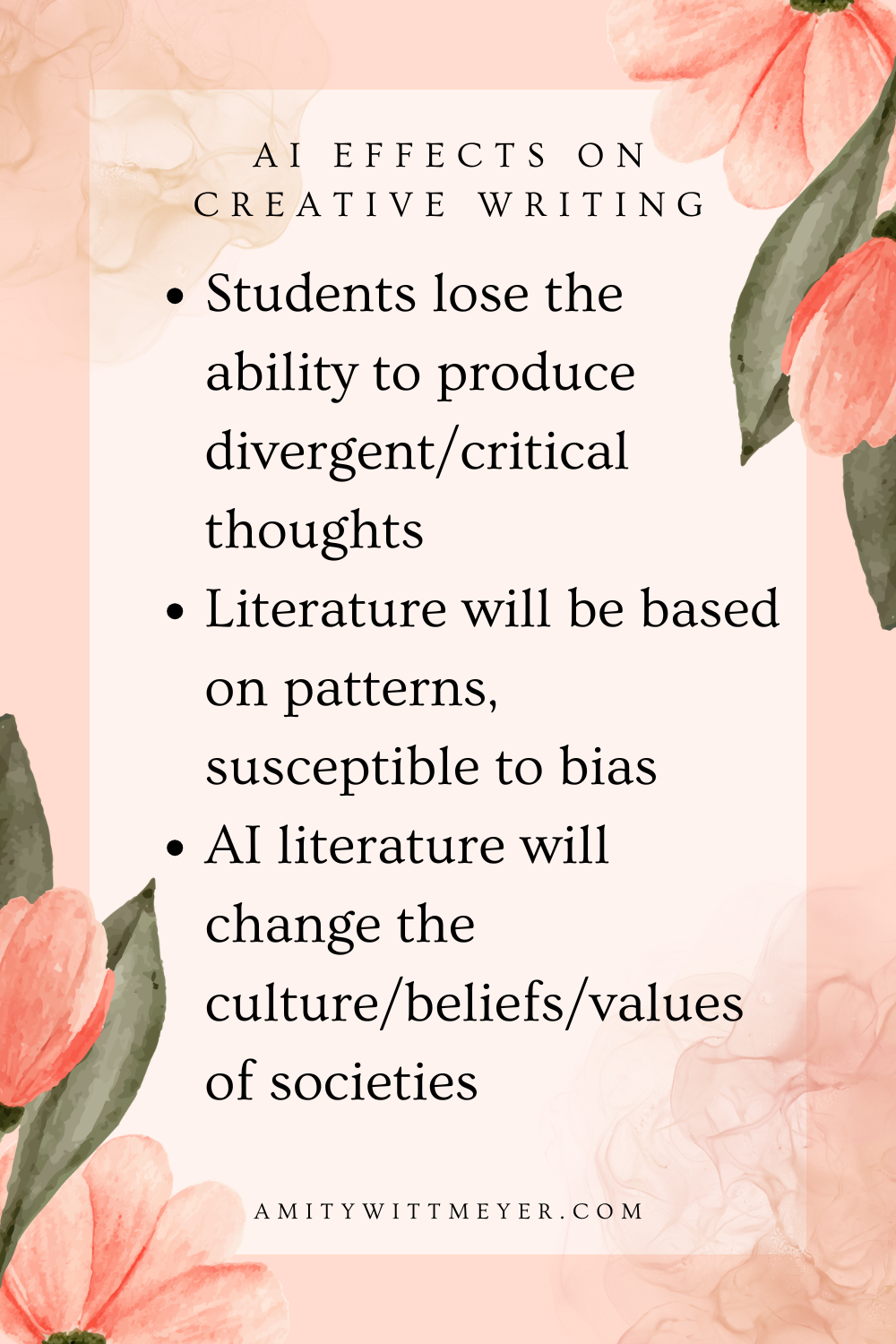
Naturally, to produce creative literature, we need individuals who can think creatively. The rise of AI will change the fundamental way people learn and think.
Not only will people be unable to form critical opinions and divergent ideas, but eventually, literature could be solely produced by robots as well. Thus, leading to the collapse of the fine arts, which are the
“passage to refresh stagnant minds,” (and the) “base of catharsis which is needed for a healthy social atmosphere.”
How AI Changes Literature
The article “AI and Literature: The Impact of Artificial Intelligence on Creative Writing and Narrative Forms” by Sadaf Begum demonstrates the importance AI has on literature in terms of creativity and cultural importance.
Begum asks,
“How do literary texts produced or co-created by AI systems differ stylistically and thematically from those authored solely by humans?”
(and)
“What are the perceptions and attitudes of authors, readers, and critics toward AI-assisted literature in terms of creative legitimacy and ethical authorship?”
Answering Concerns
To answer these questions, Begum first looks at scholars and their perception of AI in the literary world.
As noted, the perception from literary scholars generally reveals the notion that AI is a tool for creative writing and not a partner. With AI on the rise, there will probably be a new era where machines and human minds work in tandem to produce our literature.
- As new technologies grow stronger, many people will choose to use them and not stick to the basics. Therefore, AI will slowly produce our stories when told to do so.
- What is produced
“indicates the development of a new genre of the so-called AI-assisted literature that combines classical narration with algorithmic potential.”
What Scholars Found
In their findings, scholars saw that the creative writing produced by AI may be capable of forming accurate genre conventions and narrative structures, but it
“tends to lack a profound theme or character depth.”
- As AI follows how it’s programmed, it is able to create patterns that either support or undermine the norms in literature.
- Additionally, AI “parrots” or copies what frameworks have been told to it without comprehending whether they truly make sense or should be altered to fit the writing genre.
- Alongside that, AI will see the pattern of cultural tropes, word biases, representation, and ideologies, and simply copy them.
The Literature AI Creates
Although AI has proven to create prose that sounds similar to a canonical writer, Begum states the sole reason why AI can’t actually produce believable literature is because
“Literature implies a paradoxical relationship of imitation and novelty seeing that the role of AI is not entirely dependent on imitation but a form of transformation that hinges on how well it can fit in the chain of human creativity.”
Though AI can create storylines using nonlinear logic, it doesn’t actually produce novelty thoughts alongside its ability to imitate the correct forms and rules of literature. True novelty and original thought are only capable of being produced by humans.
Find out the best professional format for your next writing piece in the blog post below!
How Authorship Has Shifted by the Use of AI
Next, Begum investigated how authorship has shifted with AI-produced writing.
- For a start, copyright is called into question since, as stated before, AI will copy patterns, whether in story or sentence structure, from other sources, making their ideas merely from the algorithm they are hooked up to.
- Additionally, authors can use AI to change their writing and produce ideas for their plot, but if their writing is changed, are they the sole authors worthy of claiming their writing?
- If not, should they get penalized for not foreclosing the additional tools they used to create their book?
- Usually, AI fails to be recognized as a copywriter, meaning it can’t be cited. In conclusion, the writing created may be deceptive to its readers in terms of its authenticity.
How the Public Views AI Writing
In terms of how the populace sees writing by AI, the general public can’t differentiate between poetry that is human-made or not. After it is revealed that a poem is AI-produced, the typical reaction shifts to people saying the writing felt flat and unfeeling.
The general civilian dislikes AI for the weight it holds: removing humans from art. But, without the knowledge of authorship, AI-written content can easily be believable, making its authorship a new concern.
Discourse of AI Produced Literature
Importantly, the most pressing issue with AI literature goes back to its data structure. AI finds patterns and repeats them. Therefore, AI can not produce novelty thoughts. Instead, it will regurgitate opinions, beliefs, structures, and themes it has seen before.
The Future With AI
In the far future, this could lead to the removal of creativity and the very real danger of unified thought.
- With literature shaping culture, AI stories produced with a bias or malicious intent can cause true suffering.
- As AI takes over the classroom and shifts the teacher-student relationship, people will lose their ability to think critically and form creative ideas.
- Instead, they will copy what AI has taught them, which we know could be false or misguided.
Conclusion
Truly, the issue isn’t that writers are using AI as a tool to help them with their written projects. The problem goes much broader to the very basics of learning comprehension in the classroom.
Call to Action
With citizens who can’t think and the rise of AI forming stories that can be methodically biased, those in control of AI can control populations of people.
They will have the power to shape the unified beliefs of a culture and use this to their advantage as the common people won’t be armed with methods to challenge the ideas forced on them to believe.
Ways to Avoid Using AI as a Creative Writer
If AI can lead to individuals who don’t know how to learn and produce divergent thought, then what are some alternative ways to get help writing your story?
Even though AI can be helpful when needing an outsider’s perspective, why not simply ask another human?
Ways to Get Help With Your Project
- Ask a peer, mentor, teacher, friend, or family member to read your work, give feedback, or help you generate solutions
- When using Grammarly, be sure to read what their suggestion is before clicking accept, as they will change your authorship and natural writer’s voice
- Instead, print out your writing and read it OUT LOUD
- Have another read it and write comments
- Continue to experience art
- Go to live theatre, art galleries, poetry readings, and music concerts
- Read books by authors who inspire you and help you unlock the creative possibilities for your next story
- Listen to writers talk about their process, what inspires them, and how they continue to work on their projects when it becomes difficult
- Read books about storytelling
- Take the time to understand better why classics become popular and withstand the test of time
- What techniques are writers using to create tension, empathy, related issues, shift from high-stakes to low-stakes scenes, and realistic characters
- Don’t look for motivation
- Instead of writing when motivated, write according to routine
- Make a habit of reading your work, editing, and adding more each day
- Some days you may write less than others, but you are still moving toward your goal
- Look for inspiration for your story by listening to music, scrolling through Pinterest, or watching well-made cinema
Find helpful motivation tips to finish your story in the blog post below!
How to Write a Novel Book Recommendations
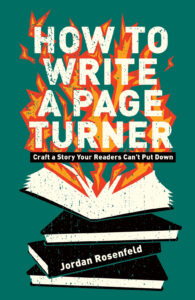
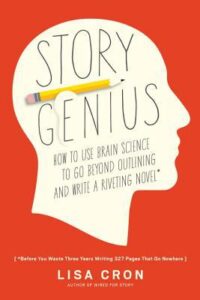
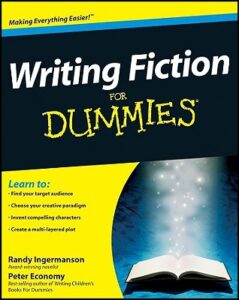
Effects of AI on Creative Writing Conclusion
As you have learned, AI not only copies patterns to produce literature, but slowly creates individuals who are reliant on it to think, comprehend, and produce divergent thoughts.
If the negative side effects AI has on the environment aren’t enough to convince you to stop using it, remember this: literature and the culture of each society will be rewritten so that those in power remain so.
Ban AI and produce your own novelty using better methods now!
Read the blog post below to help you identify your own writing process!

Leave a Reply