Intro
Before you start your creative writing piece, you will want to understand character development. Don’t worry, there are plenty of tips and strategies you can use to develop well-written characters your readers will invest in. By the end of this blog post, you will learn some great ideas to inspire the thorough creation of each character.

What is Character Development
Character development ensures your written characters are three-dimensional, relatable to readers, and realistic. To have a successful creative writing piece, you need to focus on building/the transformation of your characters.
Below, you will read various strategies to help you develop believable characters. Additionally, it is very important that you can separate each character from one another, ensuring real individualism.
1. Write a Profile for Them
The first and most basic tip for developing characters is to create a basic information sheet of notes about them. Think of it as you are setting up a police report or getting your character a driver’s licence. Ask yourself the following questions:
- Name
- Age
- Race
- Adress
- Eye color
- Hair color
- Date of Birth
- Height
- Weight
- Career
- Class
- Any family/children
And, since you are a writer and not a police officer, ask some additional questions to help you place your character into a story:
- Are they human?
- Any pets?
- Any scars/abnormalities/disabilities
- What do they need most in the world?
- What do they want most in the world?
- What is their biggest fear?
- How do they drive the story forward?
- How do they become an obstacle?
- How will they change from the start to the end of your story?
- What lesson will/should they learn?
2. Write them a Playlist
If you love music, this tip for character development may benefit you.
Benefits of Listening to Music
According to the research article, “Happy creativity: Listening to happy music facilitates divergent thinking” by Simone M. Ritter and Sam Ferguson, it is proven that listening to music can increase atypical and divergent thoughts. In their study, participants who listened to happy music and were in a better mood before writing generated more creative ideas.
‘Being in a positive mood facilitates flexible thinking and consequently leads to the production of unconventional or atypical ideas.”
Also, they discovered that high-pitched music listeners performed better on a creativity task,
“Participants who listened to high-pitch music were more successful at solving the insight task than participants who listened to low-pitch music, and mediation analysis revealed that the effect of pitch height on insight task performance was fully mediated by the emotional valence participants associated with the music.”
For some final thoughts on how music improves creativity and, therefore, character development, the study revealed that mood affects creative thought:
“(This study) suggests that the arousal level (activating vs. deactivating) should be considered in the mood creativity link, as activating moods influence creative fluency and originality because of enhanced cognitive flexibility when mood is positive and because of enhanced persistence when mood is negative.”
Find more tips to improve creativity to help develop your character in the blog post below!
Create the Proper Mood
Now, it’s time to set up your playlist, but remember, consider choosing music with higher pitches to uplift your mood. Plan to listen to the songs right before you write about that character to increase creativity.
First, title your playlist as your character’s name. When choosing songs, remember your character is in control. This exercise is to help with your character development.
Ask yourself:
- What singers or lyricists would embody their personality/feelings/beliefs?
- What would music do for them? Calm them down? Or, maybe, rile them up?
- Would they be embarrassed if other characters heard their music?
- Can you picture them walking into frame in a movie with each song as their walk-up/theme song?
3. Design Your Characters
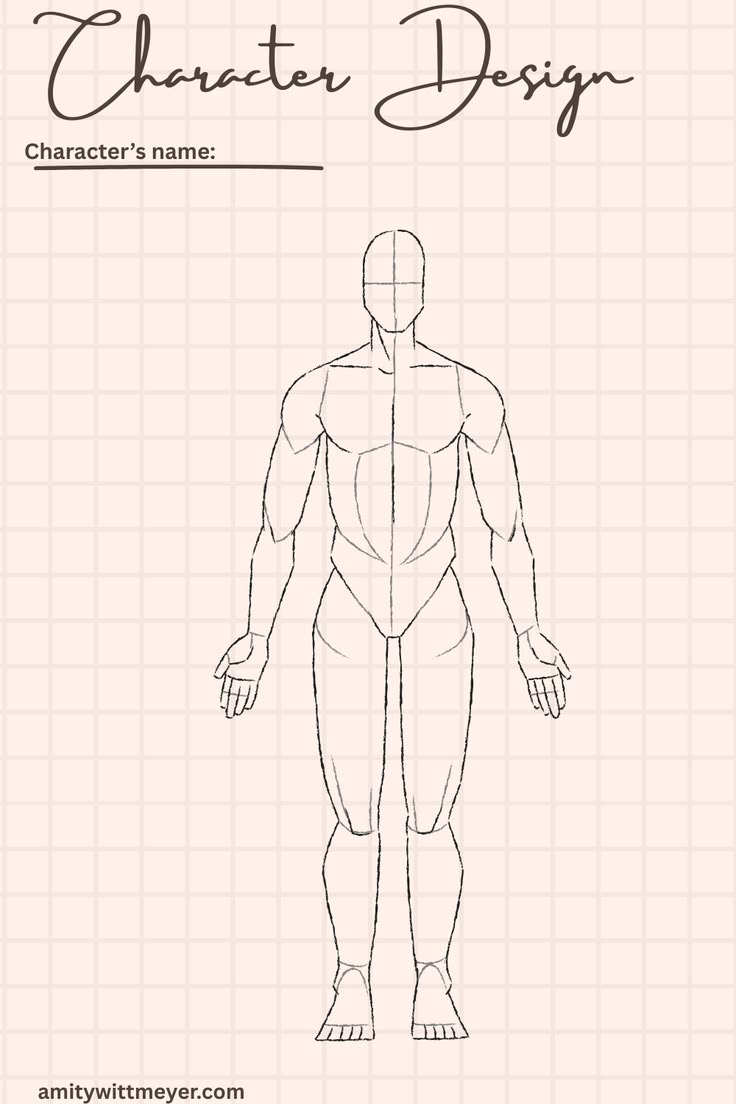
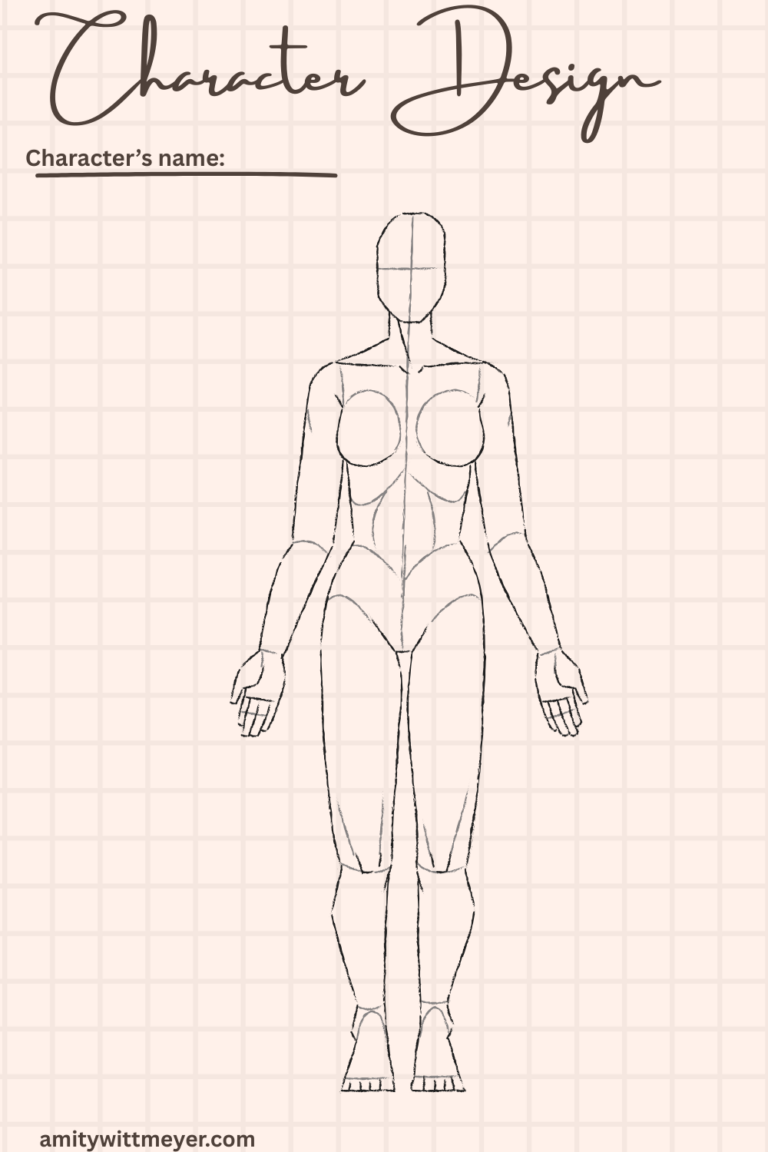
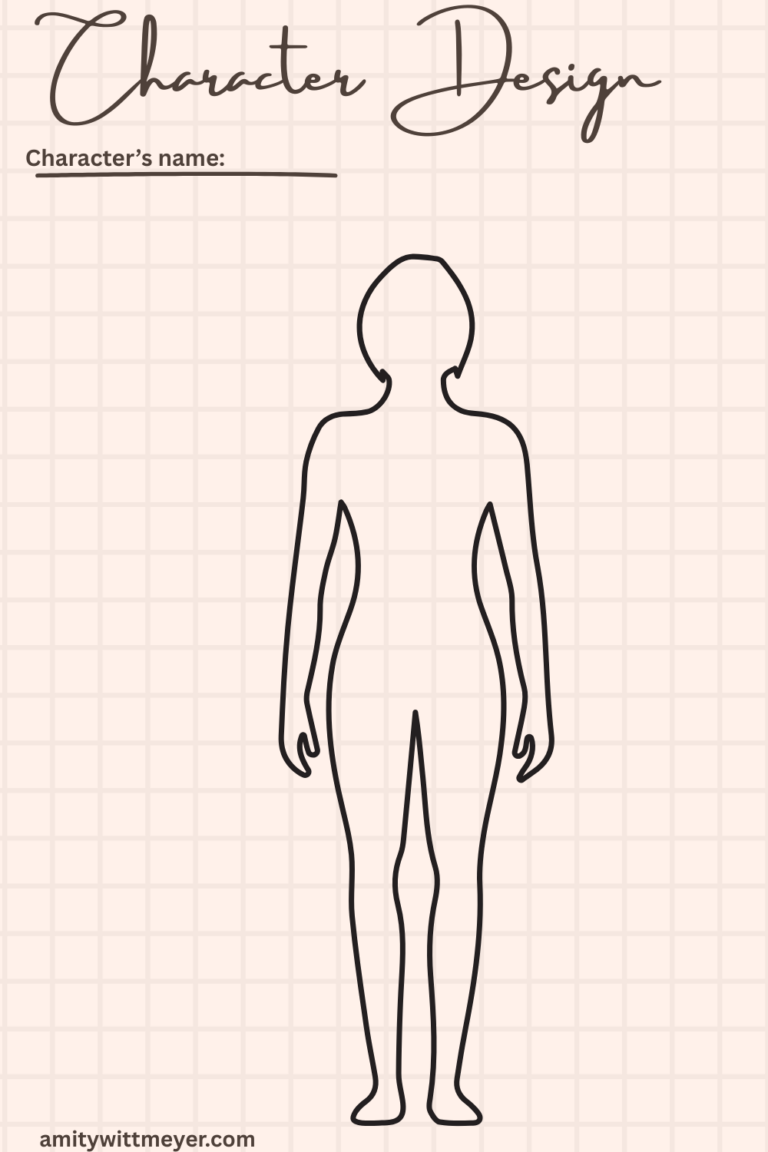
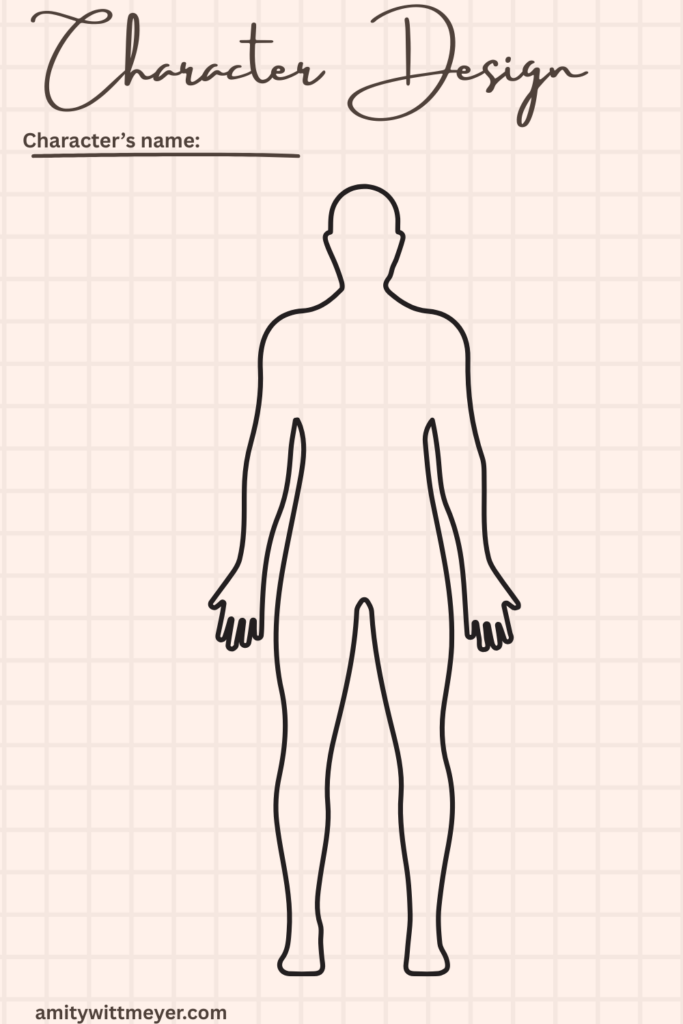
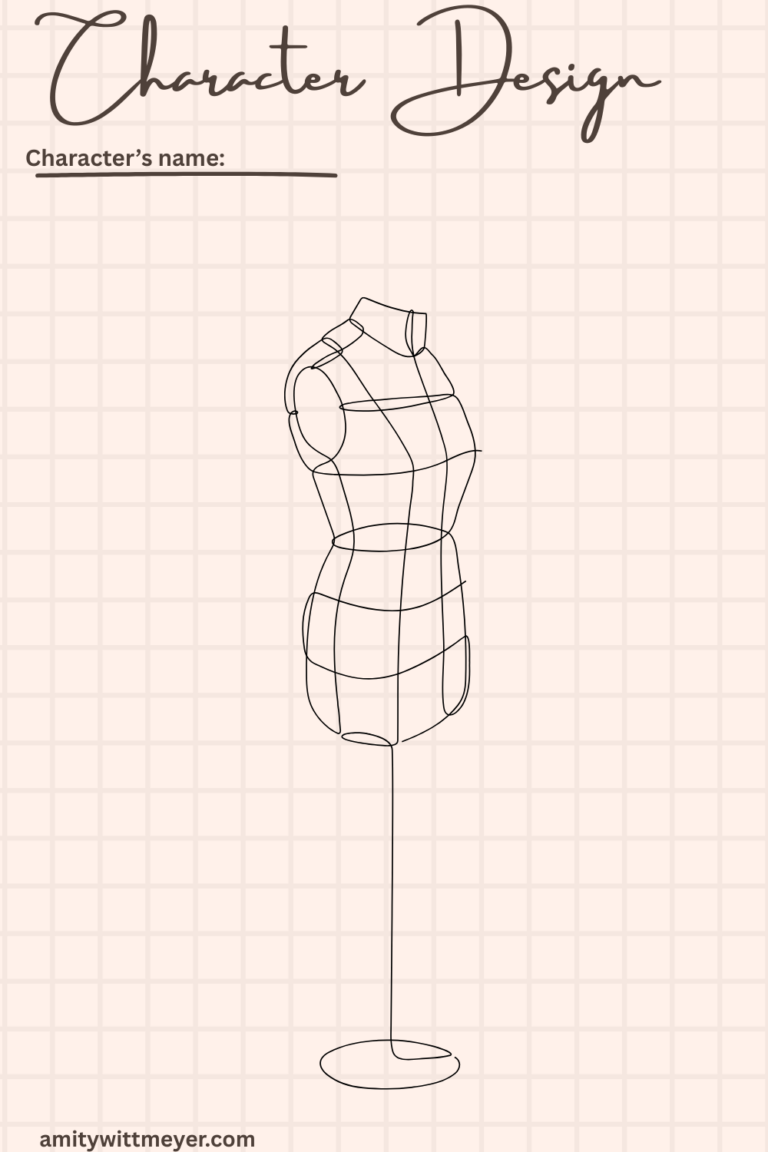
Maybe music isn’t your thing, but you are a visual learner. Why not create a visual of what your character looks like? Whether you are good at drawing or not, you can follow various templates to design your character’s look.
Consider how important costumes are in theatrical productions. Each design reveals so much about a character without any words being shared. How your character looks is crucial to how you want them to be interpreted by your reader. Additionally, it helps you meet them as you develop their personalities in your creative writing piece.
Save these prints below on Pinterest and download them to use on your own characters!
4. Make a Pinterest board
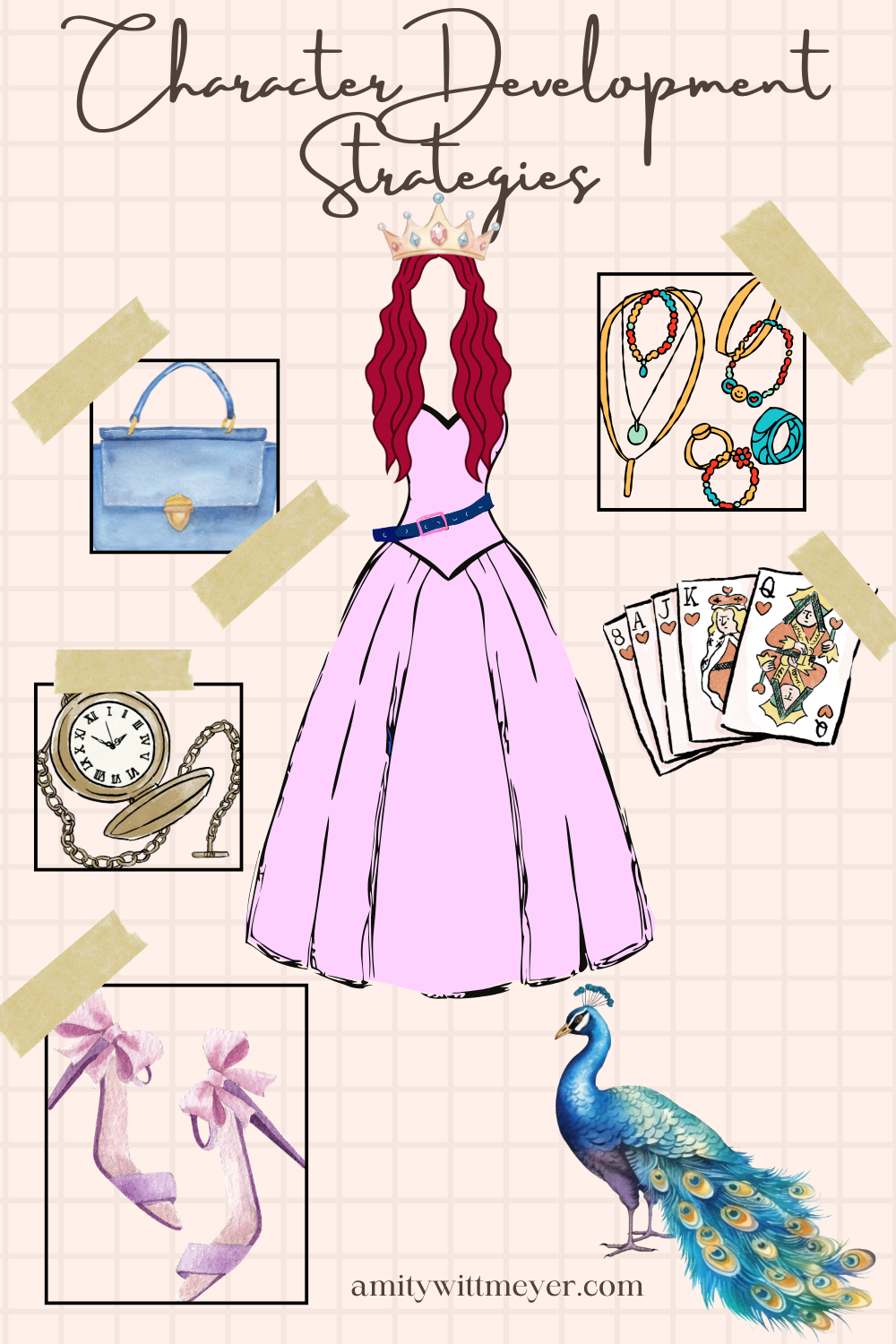
Similar to making a playlist for a character, make a Pinterest board for them. A great trick to help develop your characters is picturing their aesthetic, their interests, and their taste. A great way to combine these ideas in one place is through Pinterest.
- Go to Pinterest
- Create a board
- Then add pins to help develop your character
Some examples to inspire you:
- Add decorations they’d want in their homes
- Outfits they’d wear
- Hobbies they would be interested in
- Quotes they would live by
- Physical features they have
- What artwork encapsulates how other people perceive them
- Their desires
- Their fears
- What they value the most
5. Journal as Your Character
While you develop your most important characters, you want to make sure they sound special in their own individualistic way. To help you create fully formed, realistic characters, try to journal as if you were them.
- What would their internal dialogue sound like?
- What kind of anxieties would be present?
- Are they more of an optimist or a pessimist?
Alternatively, you can write a diary entry as them. Inside, you can write as though you are following your character in their day-to-day lives.
- What do they do?
- Where do they go?
- Who do they see?
Journaling is fundamental for creative writing skills. Additionally, it has been proven to improve your mental and physical well-being. Check out the blog post below for more on journaling!
6. Act Out Your Character
Perhaps you, as a writer, are theatrical and enjoy method acting. Why not pretend to be your character and really get inside their head?! Write a short script, and act it out as them. If you’re feeling fancy, why not also find an outfit suited for them and put it on?
While to the nontheatrical writers this may seem quite ridiculous, this method is great for looking at the big picture: the story and your character happening in real time. Often, it can be quite easy to forget you are writing down a story, and visually, it has to be aligned with its description. Therefore, when you’re feeling creatively stuck, make your writing come to life, literally.
- How would your character actually sound?
- Do they have an accent?
- How would they sit, move, smile?
- How would people react to them?
It is essential when developing your characters that you make them believable. To do this, you need to understand how they talk, what phrases they repeat, their humor, rhythm, tone, body language, speaking volume, etc. Therefore, this technique will help you get a good sense of what your character would be like if you actually met them.
7. Base Them on Real Life People
Naturally, it is impossible for authors not to create characters with similar personality traits, beliefs, or issues that they themselves relate to. Additionally, many writers base their characters on real-life people.
- Take a second to think about all the interesting or special people that you’ve met throughout your life
- What made them memorable?
Try to use their real personalities to shape a realistic character yourself. Now, don’t copy someone’s true story without their permission, but it is not uncommon to draw inspiration from their personality or personal history.
- Interview them
- Spend time with them
- Take notes
Consider how people act based on their childhood treatments. Are they stable with friendships, family, or romantic partners? What is their attachment style like, and how does that affect how they socially navigate in the world?
Learn about attachment styles in the blog post below!
8. Interview Them
When developing your character, why not meet them? Write a short play where you are the late-night host interviewer and your character is your guest. Write out the scene like it were a play, with more dialogue than description or action.
Some questions you may ask:
- What are they celebrating tonight?
- What was their most recent controversy?
- What relationships in their life should be examined?
- Are they promoting anything to their viewers?
Next, consider your character’s reaction to being in the spotlight:
- Do they feel attacked/uneasy?
- Are they thrilled to talk about themselves?
- Would they be likable/easy to talk to?
- How easily would they get angry? What would send them overboard?
- Are they flirty, charming, nervous, funny, annoyed, etc.?
- How much effort would they be putting in to impress those watching to be perceived a certain way?
- What has happened in their life recently that they would like to share?
Conclusion
Ultimately, developing your characters should be fun and a chance to ignite your creativity. Make them characters you’d like to hang out with, since you will be getting to know them pretty personally.
Leave a Reply